
About Statelessness

Stateless people lack protections and face discrimination compared to those with nationality.
Understanding Statelessness
A stateless person is someone who is not considered as a national by any state under the operation of its law.
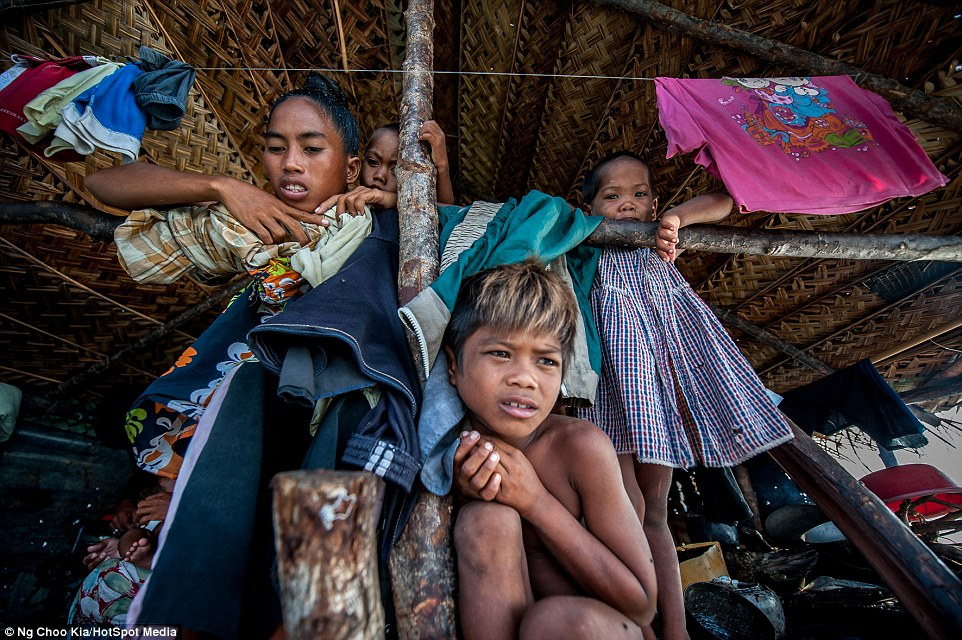
Statelessness strips people of their legal identity, leaving them invisible in the eyes of the state — unable to access basic rights most take for granted.
Article 15 of the Universal Declaration of Human Rights states that everyone has the right to a nationality and that no one shall be arbitrarily deprived of his nationality nor denied the right to change his nationality. Yet, there are more than 15 million people across the globe who face a life without a nationality and every ten minutes, another child is born stateless.
Yet, there are more than 15 million people across the globe who face a life without a nationality and every ten minutes, another child is born stateless.
ISI Flagships Stateless Reports

ISI Flagships the world’s stateless reports exploring issues of citizenship deprovation

The World's Stateless 2020: Deprivation of Nationality
The 3rd edition of our flagship report, The World’s Stateless 2020, explores the issue of citizenship deprivation. The report also includes the Principles on Deprivation of Nationality as a National Security Measure. s
Highlights from a training series for advocates and service providers.

Statelessness strips people of their legal identity, leaving them invisible in the eyes of the state — unable to access basic rights most take for granted.
Article 15 of the Universal Declaration of Human Rights states that everyone has the right to a nationality and that no one shall be arbitrarily deprived of his nationality nor denied the right to change his nationality. Yet, there are more than 15 million people across the globe who face a life without a nationality and every ten minutes, another child is born stateless.
A stateless person is someone who is not considered as a national by any state under the operation of its law. Statelessness strips people of their legal identity, leaving them invisible in the eyes of the state — unable to access basic rights most take for granted.
Lorem ipsum dolor sit amet consectetur.
Nationality is the gateway through which people access rights and services in our state-centric world.
Lorem ipsum dolor sit amet consectetur. Mi scelerisque diam placerat integer congue proin. Ac quam vitae ac potenti ultrices sit facilisi. Sed euismod pellentesque eu condimentum proin in. Cras purus egestas cursus ullamcorper vel egestas lectus sed a. Diam suscipit at quisque adipiscing mollis ligula lacus. Vulputate rhoncus elit eget ac nulla amet sit tortor. Molestie ultricies arcu gravida eleifend cras nulla. A mi enim amet consectetur habitasse nisl ac ornare amet. Ornare non rutrum venenatis vel suscipit ullamcorper volutpat morbi odio. Odio integer pellentesque netus blandit. Commodo orci mollis sodales vestibulum egestas. Habitant dolor mattis sed aliquam pulvinar integer augue consequat purus.
How Does a Person Become Stateless?
Statelessness is often caused or perpetuated by discrimination based on:
- Race
- Ethnicity
- Gender
- Disability
- Socio-economic status
In 25 countries, including Lebanon, Nepal and the Bahamas, women cannot pass their nationality to their children on an equal basis as men. This can leave children without a nationality.
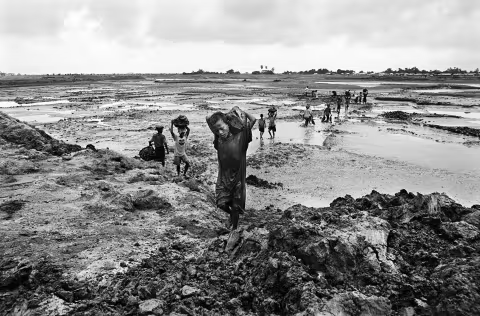
Statelessness is often caused or perpetuated by discrimination based on:
- Race
- Ethnicity
- Gender
- Disability
- Socio-economic status
In 25 countries, including Lebanon, Nepal and the Bahamas, women cannot pass their nationality to their children on an equal basis as men. This can leave children without a nationality.
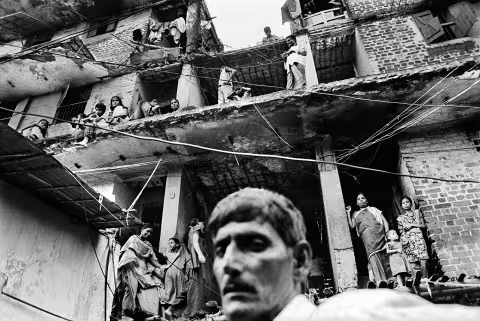
Statelessness is often caused or perpetuated by discrimination based on:
- Race
- Ethnicity
- Gender
- Disability
- Socio-economic status
In 25 countries, including Lebanon, Nepal and the Bahamas, women cannot pass their nationality to their children on an equal basis as men. This can leave children without a nationality.
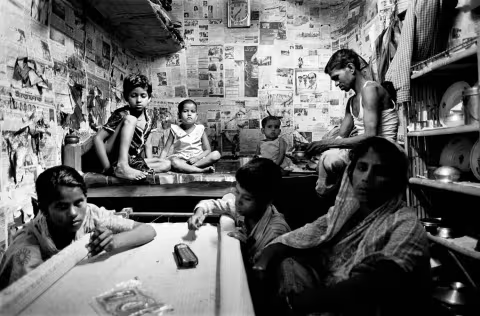
Statelessness is often caused or perpetuated by discrimination based on:
- Race
- Ethnicity
- Gender
- Disability
- Socio-economic status
In 25 countries, including Lebanon, Nepal and the Bahamas, women cannot pass their nationality to their children on an equal basis as men. This can leave children without a nationality.
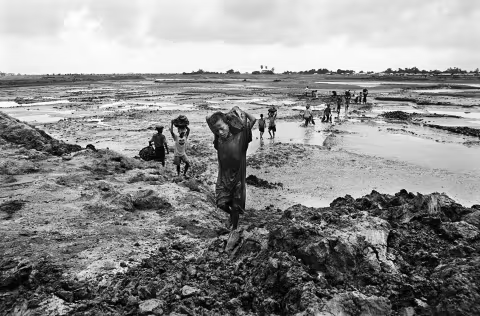
Impacts of Statelessness
Nationality is the gateway through which people access rights and services in our state-centric world.
The lack of nationality impacts on every aspect of a person’s life. Stateless people often face many challenges, including: entering or completing schooling; accessing healthcare services for preventative medicine or to treat an injury or illness;
Lived Experiences
Meepia granted citizenship after 34 years of being stateless.
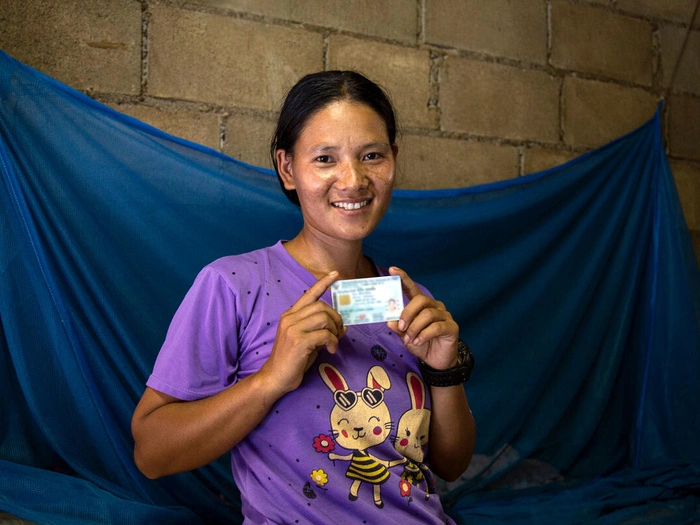
“To be stateless is to live in a state of perpetual suspension. Amina could not legally work, open a bank account, rent an apartment in her own name, or buy a SIM card. When she walked down the street, the sight of a police uniform made her breath catch in her throat. A simple random ID check could mean indefinite detention in a facility designed for people with nowhere to go. She was a citizen of nowhere, living on the margins of everywhere.”
-Meepia, former stateless person from Thailand
Our Role as a catalyst
How does ISI help Stateless people?
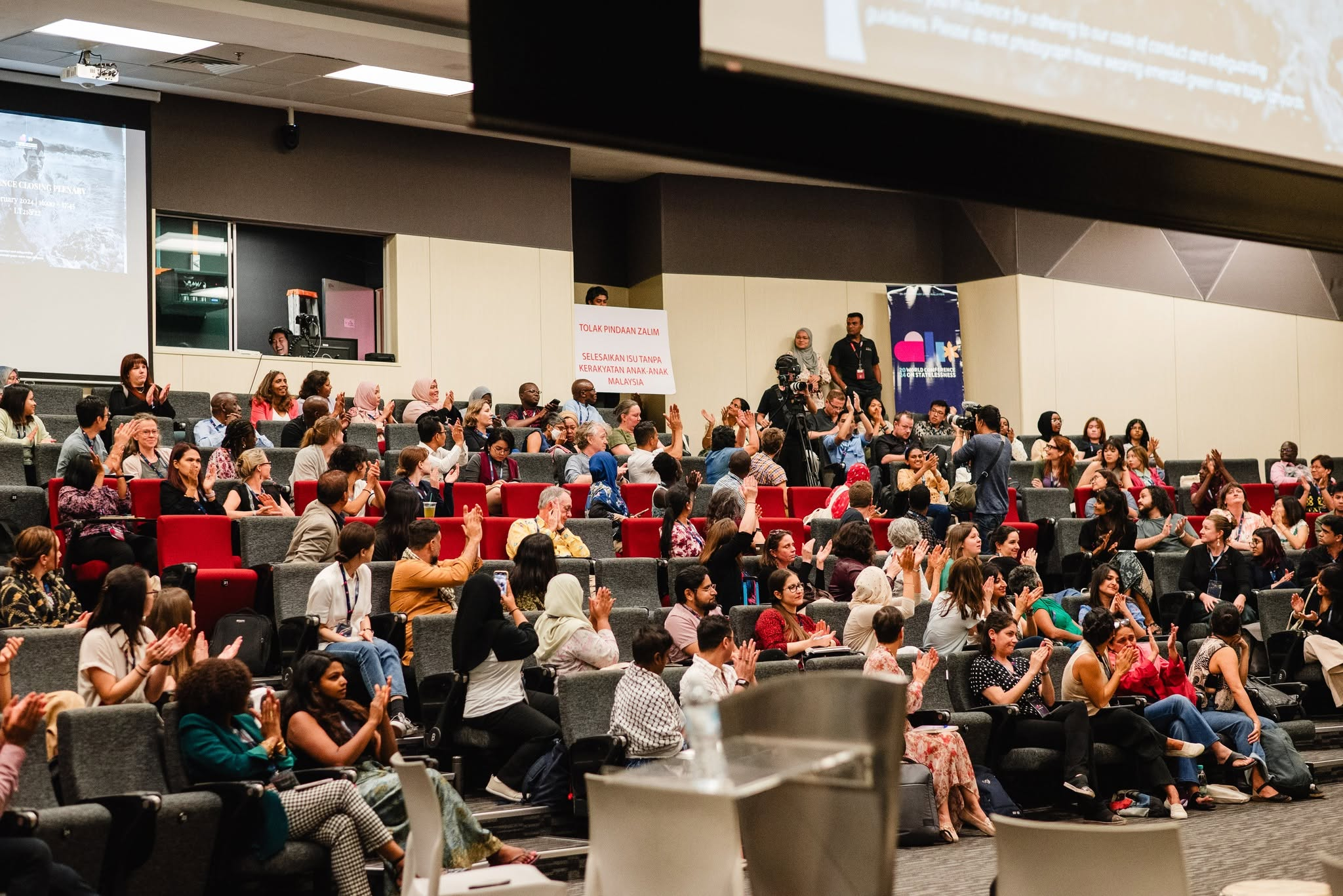
Statelessness is a complex and evolving issue, shaped by laws, policies, migration, conflict, discrimination, and social exclusion. Across the world, researchers, advocates, communities, policymakers, and changemakers are working to understand these challenges and create pathways towards inclusion and belonging.
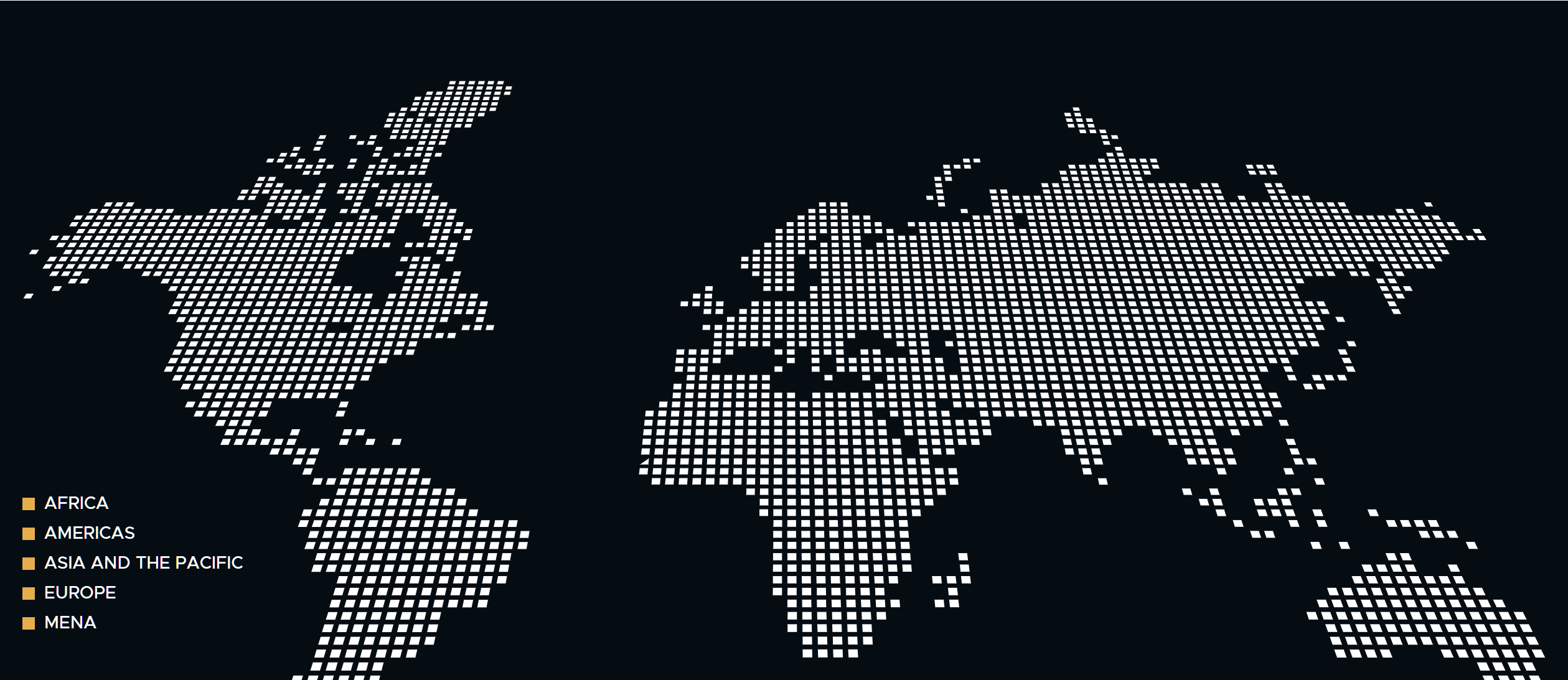
Learn more about statelessness across these countries in the Stateless Hub.
Colombia
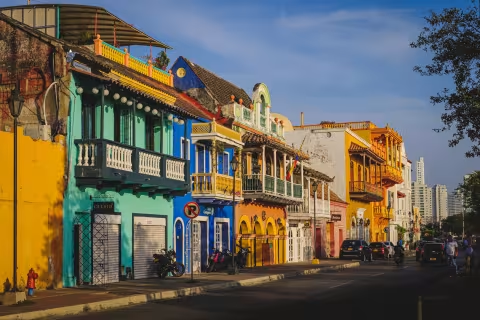
An estimated 600,000 Rohingya are stateless, a consequence of the 1982 Citizenship Law excluding them from official ethnic categories.
Bahrain
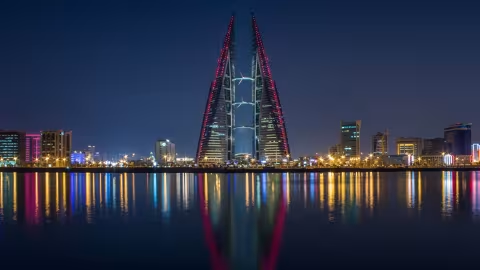
The 1982 Citizenship Law left over 600,000 Rohingya stateless by not recognizing them as part of any ethnic group.
Nepal

More than 600,000 Rohingya remain without citizenship due to the 1982 law that excluded them from recognized ethnic groups.
Visit the StatelessHub for more resources on Statelessness.
Gallery




Impact Stories
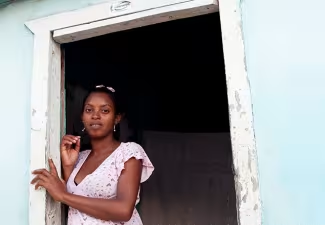
Anjali's Journey: From Village to Policy Council



Related Resources
- Annual Report
- Annual Report
Too old to be a 'foundling'? : international standards and comparative analysis
- Annual Report